

From 4 Foot Farm. We sell the products featured here. Images are illustrative, not customer testimonials.
You want a smaller food bill. You still want to enjoy dinner. Keep the meals you love. Change what it costs to make them.
Start with one of these seven changes. Taco night can stay.
1. Plan around three favorite dinners.
Write down three dinners your household looks forward to. Build the week’s list around them. Shopping for meals you want makes the food easier to use.
Plan before the shop. Keep the ingredients for each dinner together on your list so you can check what you already have.
2. Stretch meat with an ingredient you like.
If your family likes beans, try adding some to taco filling or a favorite soup. Keep the seasoning and toppings you love. Start with a small change and taste as you go.
This can stretch a pricier ingredient across more portions without turning dinner into a meal nobody asked for.
Compare your local prices first. You want a swap that saves money and still gets eaten.
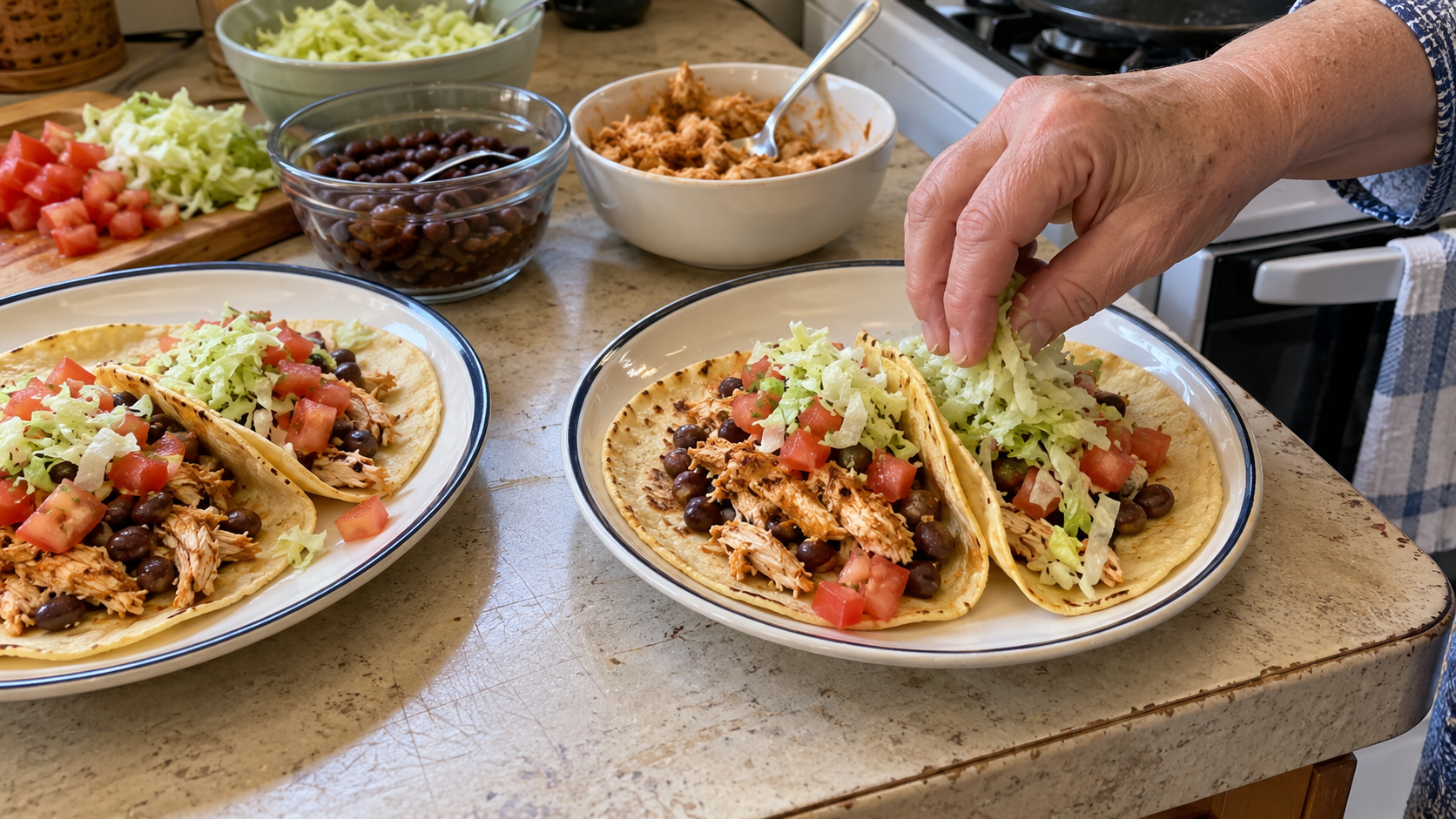
Keep taco night. Try a small amount of a lower-cost ingredient your household already likes.
SPONSORED · 4 FOOT FARM
Keep taco night. Grow some toppings.
Start with an ingredient your family already loves.
The meat, seasoning, and meal can stay. Start growing some of the lettuce or other fresh ingredients you keep buying. Follow the small-space steps instead of guessing where to start.
3. Choose fresh, frozen, or canned to fit the meal.
A sauce may work just as well with canned tomatoes. A smoothie may work well with frozen fruit. A crunchy salad calls for something different.
Compare the cost of the amount you will use—not just the package price. Frozen and canned foods can help when a fresh pack keeps going bad before you finish it.
Save the fresh version for meals where you enjoy it most.
4. Use the same ingredients in two meals.
Leftover cooked chicken does not have to mean the same dinner twice. With ingredients already planned for the week, it might become a sandwich, soup, or taco filling.
Choose two familiar meals that share ingredients but taste different. That way, the rest of the pack has a job without another long shopping list.
Store leftovers promptly and use refrigerated portions within three to four days. Freeze what you will not use in time.
5. Freeze portions you can use in one meal.
One huge frozen block of sauce is not much help when you need dinner for one or two. Store extra food in meal-size portions and label each with the food and date.
Now you can take out what you need without thawing the whole batch.
For safety, divide leftovers into shallow containers and refrigerate within two hours—one hour above 90°F. Thaw frozen leftovers in the fridge, not on the counter.
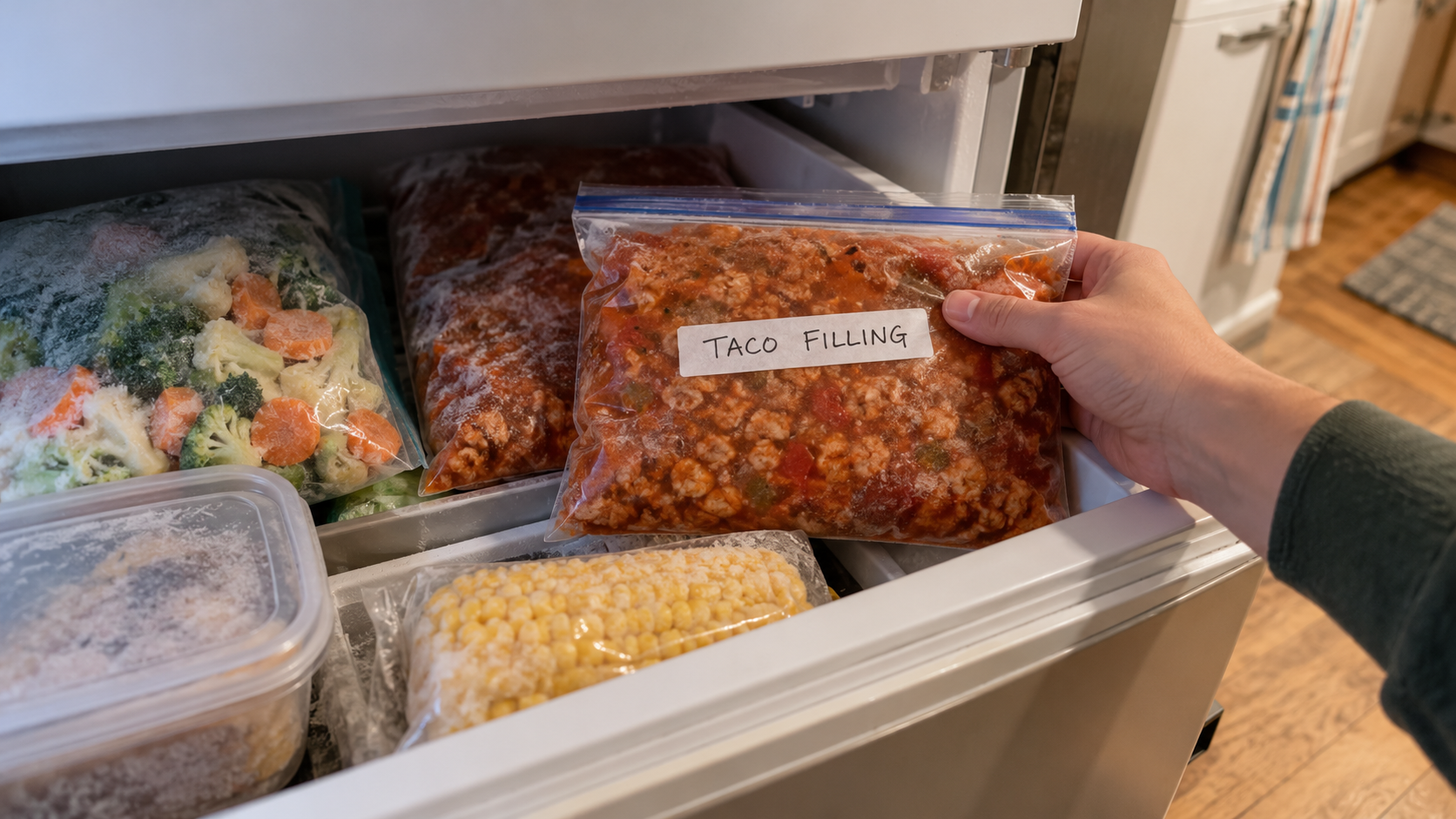
Meal-size portions make a favorite easier to use again. Label the food and date before it disappears into the freezer.
6. Switch the brands you barely notice.
Maybe the good cheese makes your sandwich, but you barely notice the bread brand. Keep the cheese. Try the store-brand bread.
Change one item at a time. Compare the unit price, then taste it in the meal. Keep the switch only if you like it.
7. Grow one topping you keep buying.
Look at those favorite meals again. Do they use lettuce, herbs, or another fresh food you buy often? Choose one that suits your light, space, and patience.
Loose-leaf lettuce is one option. Once established, take a few usable outer leaves and leave most of the smaller leaves to grow. Start with a plant if you want to skip the seed stage.
Indoors, a dim window may need a suitable plant light. It takes care and time. Start with a few leaves for a meal—not a promise to feed the whole house from one pot.
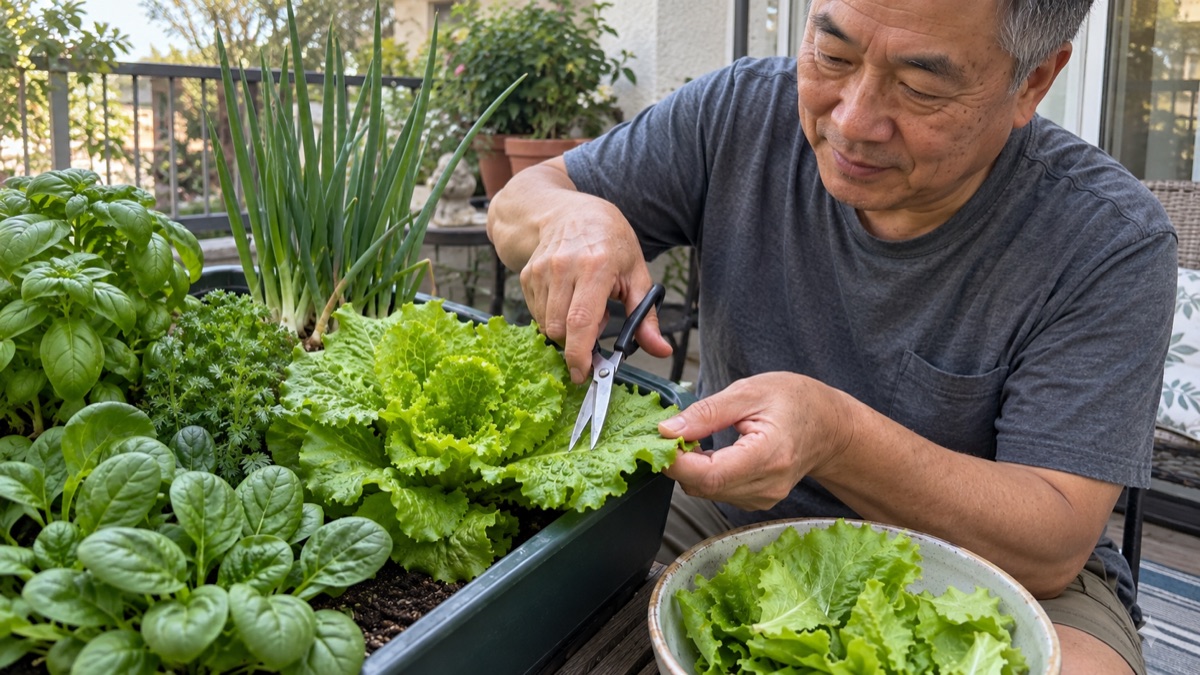
Grow something you already enjoy eating. That gives each harvest a clear place on your plate.
SPONSORED · 4 FOOT FARM
Your favorite meal can start a little closer to home.
Begin with one topping. Keep dinner the way you like it.
Imagine reaching for a few fresh leaves you grew for tonight’s sandwiches or tacos. No big yard project. Start with one ingredient, a suitable spot, and simple steps you can follow.
| Show Me How to Grow My First Ingredient → |
See the steps and what you get in the complete Blueprint.
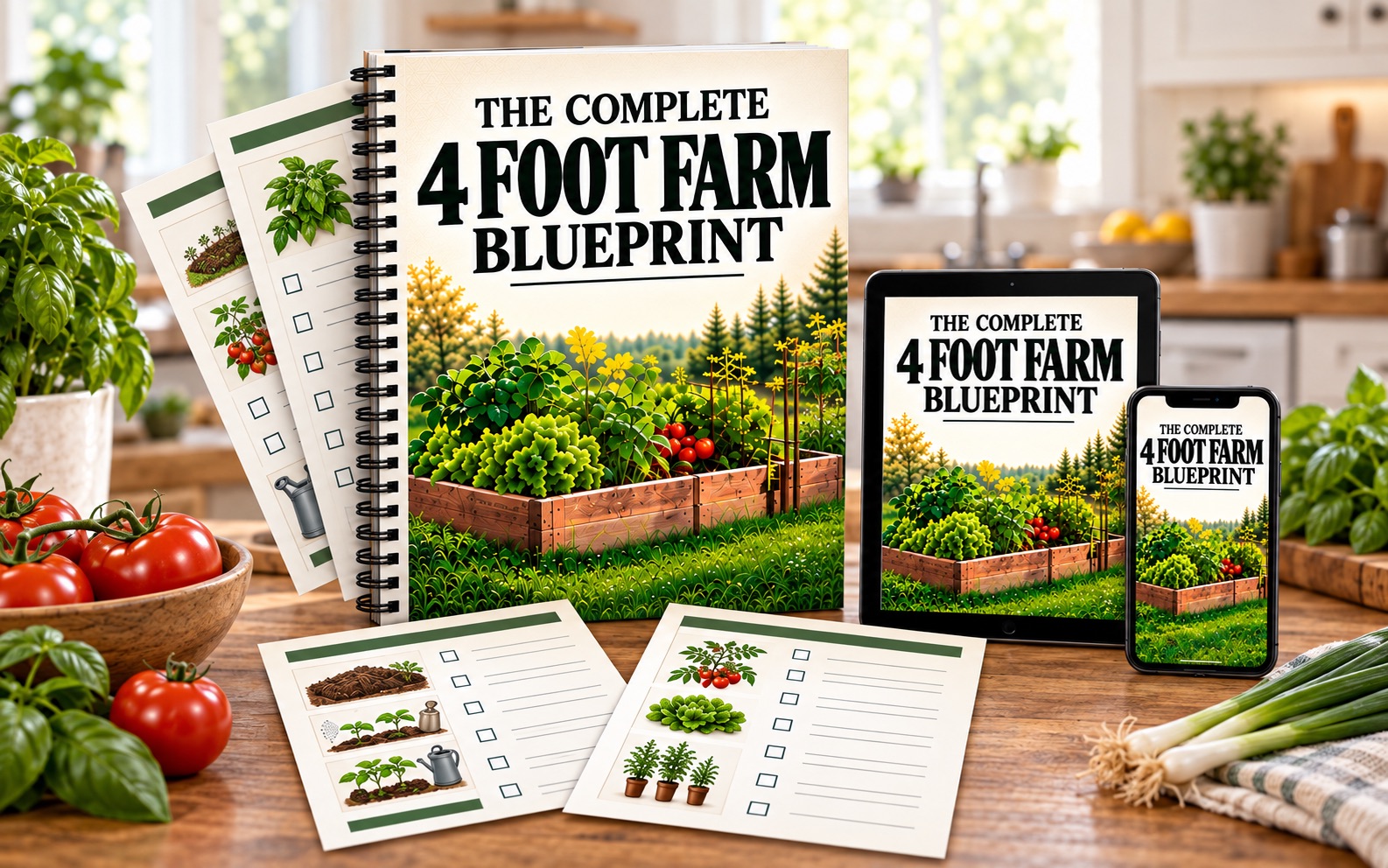
Digital plans. Open them on your phone, tablet, or computer.
The 4 Foot Farm Blueprint shows how to choose your food and set up a container, patio spot, or indoor growing space. Start with a food you love. Put what you grow into a meal you look forward to.
P.S. ALREADY HAVE THE BLUEPRINT?
Put the steps right beside your plants. The printed, spiral-bound Field Guide lays flat, keeps the quick checks close, and links back to extra help with QR codes.
Written for everyday households. Food costs and growing results vary with what you eat, local prices, space, light, supplies, and care.