A heat wave does not only hit the thermostat.
It hits the grocery list too.
AP reported on July 10-11, 2026 that a large heat dome is expected to spread across much of the continental United States, with temperatures 15 to 25 degrees above normal in many places and unusually hot nights reducing recovery time. At the same time, USDA's latest Food Price Outlook says retail fresh vegetable prices are predicted to rise 7.7% in 2026, while BLS reported the fruits and vegetables index was up 6.1% over the 12 months ending in May.
That combination is the part worth noticing.
Heat makes households buy more cooling. Food inflation makes households pay more for fresh relief. A small garden is not a lifestyle statement in that moment. It is a tiny pressure valve.
What if the store trip is the weak link this week?
A small garden lowers pressure over time. A shelf-stable meal layer helps when heat, errands, or grocery prices make dinner harder today.
Freeze Dried Burgers is an approved sponsor option for readers who want one no-cook food backup while their small food system grows.
The Current Signal
The forecast is not asking your house to become a farm.
It is asking a simpler question: if the grid is working harder, the air conditioner is running longer, and fresh vegetables are already more expensive, what can your household produce on its own with almost no complexity?
That is the mental model for today: the garden as a fuse.
A fuse does not power the house. It protects the system from a surge. A small bed, container, or herb box does the same for the grocery routine. It absorbs one repeat purchase, one hot-week errand, one dinner garnish, one salad item, one reason to get in the car.
Parallel 1: World War II Victory Gardens
During World War II, the United States did not ask home gardeners to replace American agriculture. That would have been impossible. The government asked households to take pressure off a system under strain.
The National Park Service notes that in 1944, 18.5 million gardeners took part in Victory Gardens, supplying about 40% of the nation's fresh vegetables. USDA's Agricultural Research Service also points to archived USDA fact sheets showing more than 20 million Victory Gardens in 1943 producing 10 billion pounds of food. Tomatoes, beans, onions, lettuce, radishes, beets, and carrots were among the practical crops people grew.
The useful lesson is not patriotism as nostalgia. It is load shifting.
Families were not suddenly independent from every farm, truck, processor, grocer, and ration office. They were shifting a small part of daily food demand back home. A backyard plot, school garden, empty lot, or city patch made the national system less brittle by reducing the number of fresh items that had to be bought, shipped, and fought over.
That is the same narrow point today. A basil pot will not beat a heat dome. A four-foot bed will not cancel inflation. But if your home can produce the salad green, herb, green onion, or cherry tomato you buy every week, it removes one fresh item from the stressed chain. The household becomes slightly less exposed to store prices, fuel costs, spoilage, and hot-week errands.

Public-domain World War II Victory Garden poster, 1945.
Parallel 2: The Dust Bowl And Soil Conservation
The 1930s Dust Bowl is a different kind of food lesson. It was not about patriotic gardening. It was about what happens when land, weather, and household security are treated as separate subjects until they are not separate anymore.
USDA's history of the Dust Bowl notes that the crisis helped prompt Congress to create the Soil Conservation Service, the agency that later became the Natural Resources Conservation Service. The National Weather Service says July 1936, during the Dust Bowl years, produced one of the hottest summers on record across the Plains, Upper Midwest, and Great Lakes. Many Illinois locations saw peak temperatures above 110 degrees, and nationally around 5,000 deaths were associated with the heat wave.
The concrete household lesson is that soil is infrastructure.
When soil is bare, compacted, exhausted, or unprotected, heat works faster. Moisture disappears faster. Plants struggle faster. The 1930s are not the same as a patio planter in 2026, and a container garden is not a Great Plains farm. But the pattern rhymes at a small scale: exposed soil loses resilience.
That is why today's little install is not just "plant something." It is protect the growing surface. Mulch, shade, and early watering are not cosmetic. They are the tiny version of conservation. A container with bare dry soil sitting in afternoon sun is a fragile system. A container with mulch, morning water, and a little shade is a household buffer.
The Dust Bowl changed national policy because the country learned that production depends on the condition of the ground. A household can use that same principle in 15 minutes.
Parallel 3: Ancient Egypt's Grain Buffer
Ancient Egypt is useful here because the Nile Valley made the storage lesson visible. The British Museum describes how the annual flooding of the Nile created fertile land for crops, and museum collections preserve models of granaries from ancient Egypt that show grain storage was not an afterthought. One Middle Kingdom model granary from around the 12th Dynasty shows workers, storage space, and recordkeeping as part of the same system.
That matters because food security was not only about harvest day.
A harvest that cannot be stored, counted, protected, and rationed through the lean stretch is not really secure. Egypt's system was complex, state-linked, and far removed from a modern household garden. We should not pretend a backyard bed is an ancient granary. The comparison is narrower: production becomes useful when it is paired with a buffer.
For a household, that buffer may be small. A few herbs clipped instead of bought. Two green onions regrown in a jar. Lettuce protected with shade cloth. A container of basil that turns pasta, eggs, beans, or tomatoes into a meal without another store run. A list of the three fresh items your family actually uses before they wilt.
Ancient grain systems teach the same thing as modern grocery shocks from the other direction. The win is not abundance for show. The win is usable continuity. If the store is expensive, hot, crowded, or inconvenient this week, what small fresh thing does your home already have in motion?

Ancient Egyptian model granary, public-domain reference image.
When heat stresses the garden, water becomes the weak point
A food buffer still needs a water plan. If the hottest week also brings outage or boil-water trouble, guessing is not a plan.
This home water backup resource fits readers who want to think through the basic layer before heat, storms, or errands overlap.
The Pattern To Notice
Across all three examples, the pattern is this: when big systems get stressed, the households that do best are not the ones that replace the system. They are the ones that move one essential function closer to home.
The Household Lesson
Do not start with a dream garden.
Start with one repeat fresh item.
Start with one shaded container.
Start with one little harvest that makes a hot week slightly less dependent on a store shelf.
Household Install: The 15-Minute Cooling Bill Garden Check
Set a timer for 15 minutes.
Pick one fresh item you buy almost every week. Good choices: basil, green onion, lettuce, mint, parsley, cherry tomato, or peppers.
Find the hottest-risk spot. Look for the container or bed that gets harsh afternoon sun or dries out first.
Add one cooling layer. Use mulch, dry leaves, cardboard strips under mulch, a shade cloth scrap, or move the container where it gets morning sun and afternoon shade.
Write the harvest use. Example: "Basil goes on eggs, beans, pasta, and tomato sandwiches." If you cannot name the use, choose a different crop.
Measure the win. Put one mark on your grocery list every time the plant replaces a purchase or saves an errand.
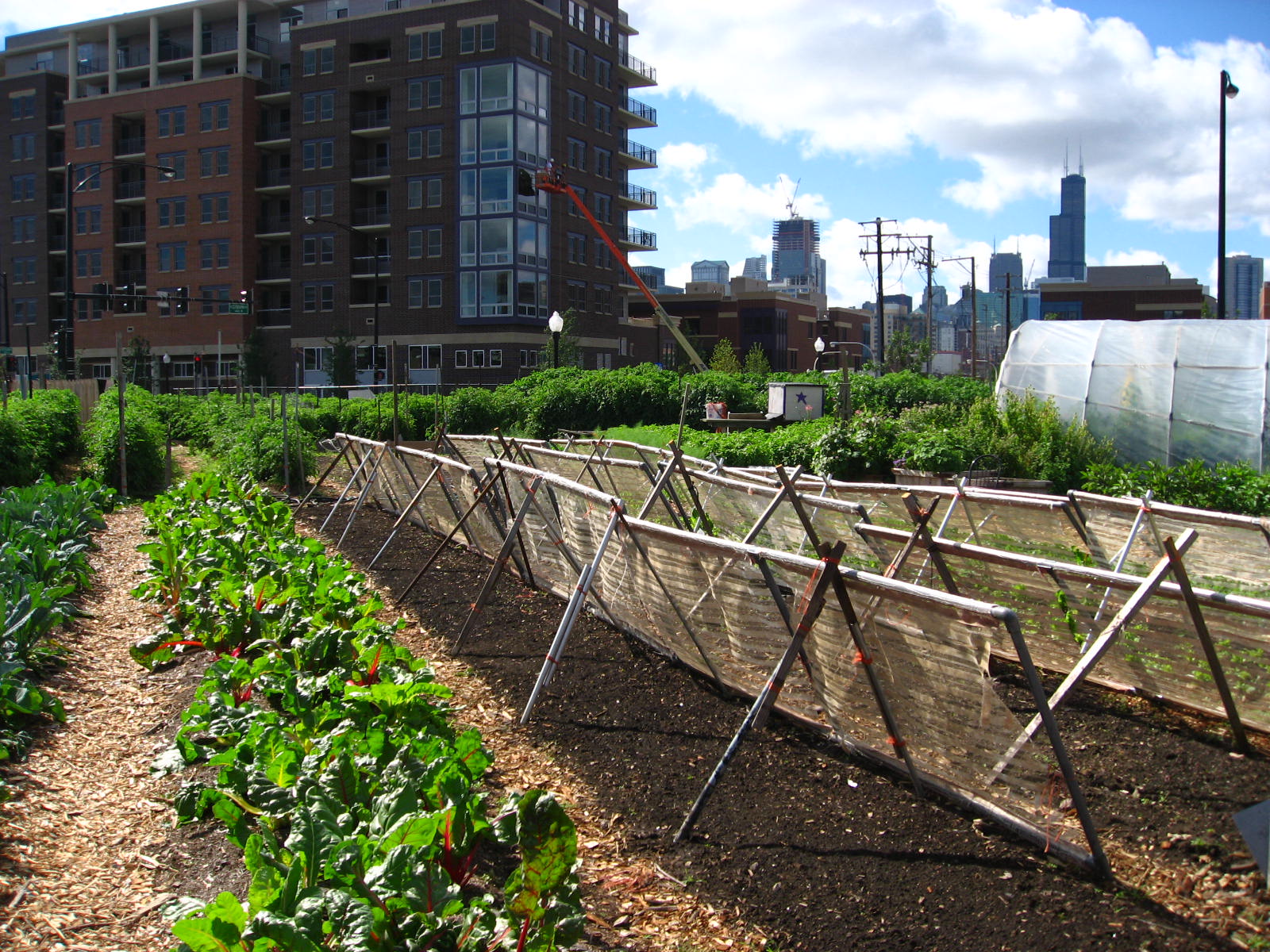
Practical project reference: young crops protected by shade cloth in an urban garden bed. Image: Linda N., CC BY 2.0 via Wikimedia Commons.
Tool That Fits Today's Pattern
If this clicked, the next step is not to buy a giant setup.
It is to design a tiny food system that fits the space you actually have.
The Takeaway
The heat dome is the signal.
The vegetable price forecast is the reminder.
The garden is the fuse.
Make one fresh thing less fragile this week.
Keep it small and useful,
Sam McCoy, Creator
4 Foot Farm Blueprint: small systems beat fragile ones.
P.S. What is the one fresh item you buy most often: lettuce, herbs, green onions, tomatoes, peppers, or something else? Hit reply and tell me.
P.S.S. A few more resources you may find useful:
The Meatless Supper Shelf - for turning pantry basics into lower-pressure dinners.
The Cool Room Rule - for making one room safer before heat and outage risk overlap.
Sources reviewed for this issue: Associated Press reporting on the July 2026 U.S. heat dome; USDA Economic Research Service Food Price Outlook summary findings; Bureau of Labor Statistics May 2026 CPI summary; National Park Service and USDA Agricultural Research Service histories of Victory Gardens; USDA history of the Dust Bowl and Soil Conservation Service; National Weather Service July 1936 heat-wave history; British Museum early Egypt overview; public-domain Egyptian granary model references.