
Your Daily Install connects what’s happening now with a useful lesson from the past—and one small thing you can do at home.
Print the worksheet, fill it in, and add it to your Household Resilience Network binder.
What’s happening now?
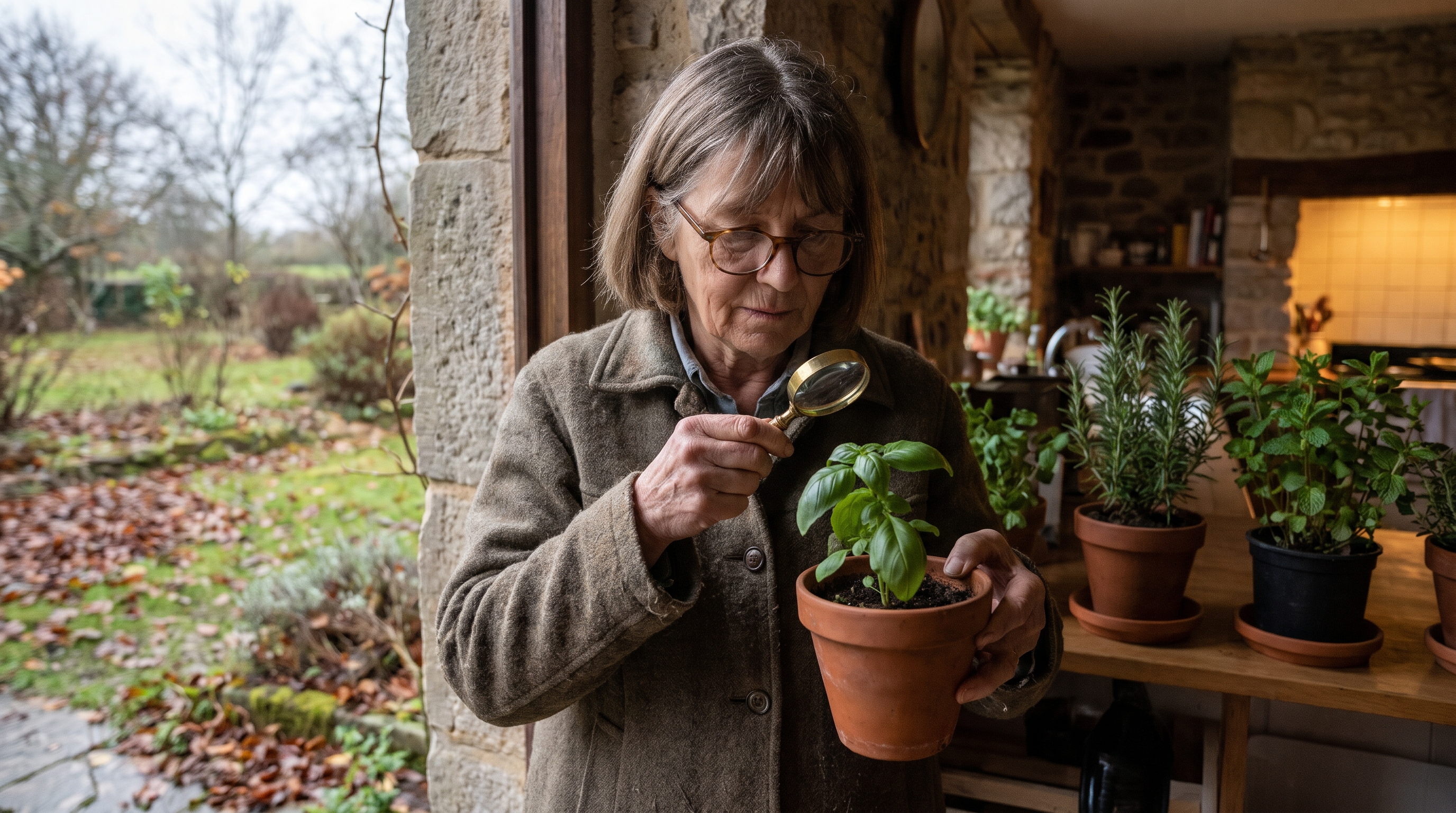
The cold night is coming. You pick up the herb pot and make room beside your other plants. But what else is coming through the door?
Today’s St. Louis forecast warns of a freeze late tonight into Saturday. Check your local forecast and your plant’s needs. If a pot is moving indoors, give it a check before it joins the rest.
The plant may be welcome. Its hitchhikers are not. A few hidden pests can become a problem for several pots once they are close together inside.
Has this happened before?
In January 1910, Washington received a gift meant to fill the city with beauty: 2,000 flowering cherry trees from Japan. They had crossed the ocean and traveled across the country.
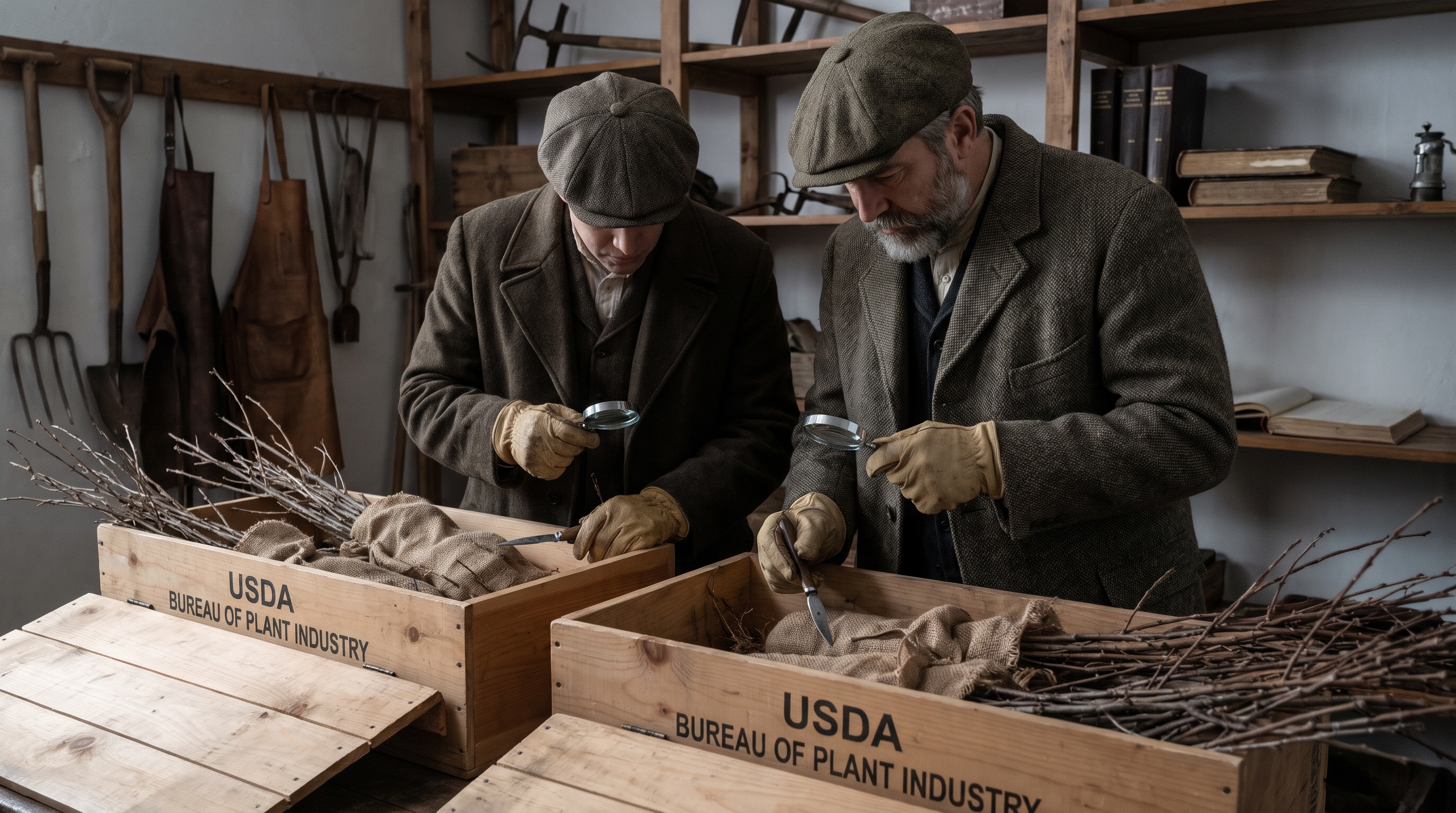
Then Agriculture Department inspectors looked closely. They found insects, tiny worms called nematodes, and disease. The trees were a gift of friendship, but planting them could put American growers at risk.
President William Howard Taft agreed that the shipment should be destroyed. Most of those trees were burned. It was a hard ending to a generous plan.
The important work happened before the trees joined the landscape. Inspectors did not judge the shipment only by what it was meant to become. They checked what it was carrying.
What happened next?
The gift did not end there. Japan sent a new shipment in 1912: 3,020 trees. That spring, Helen Taft and the Japanese ambassador’s wife planted the first two beside the Tidal Basin.
The famous blossoms followed a second attempt, not a decision to ignore the first problem. This is a much larger story than your herb pot, but one habit transfers well: check a newcomer before mixing it with what you want to protect.
You do not need a spray routine or a bonfire. You need a closer look and a separate place to watch the plant.
Why are the first steps the stiffest?
You stand up, then wait for those first stiff steps to ease. This joint-support video starts with the fluid inside your joints. What does that have to do with its daily formula?
| Watch the Joint-Fluid Story → |
What can I do?
Take 15 minutes for one pot. Look under leaves, along stems, at the soil surface and around the pot. Note webbing, sticky patches, tiny moving insects or damaged leaves. Use the worksheet to choose a suitable indoor spot away from your other plants.
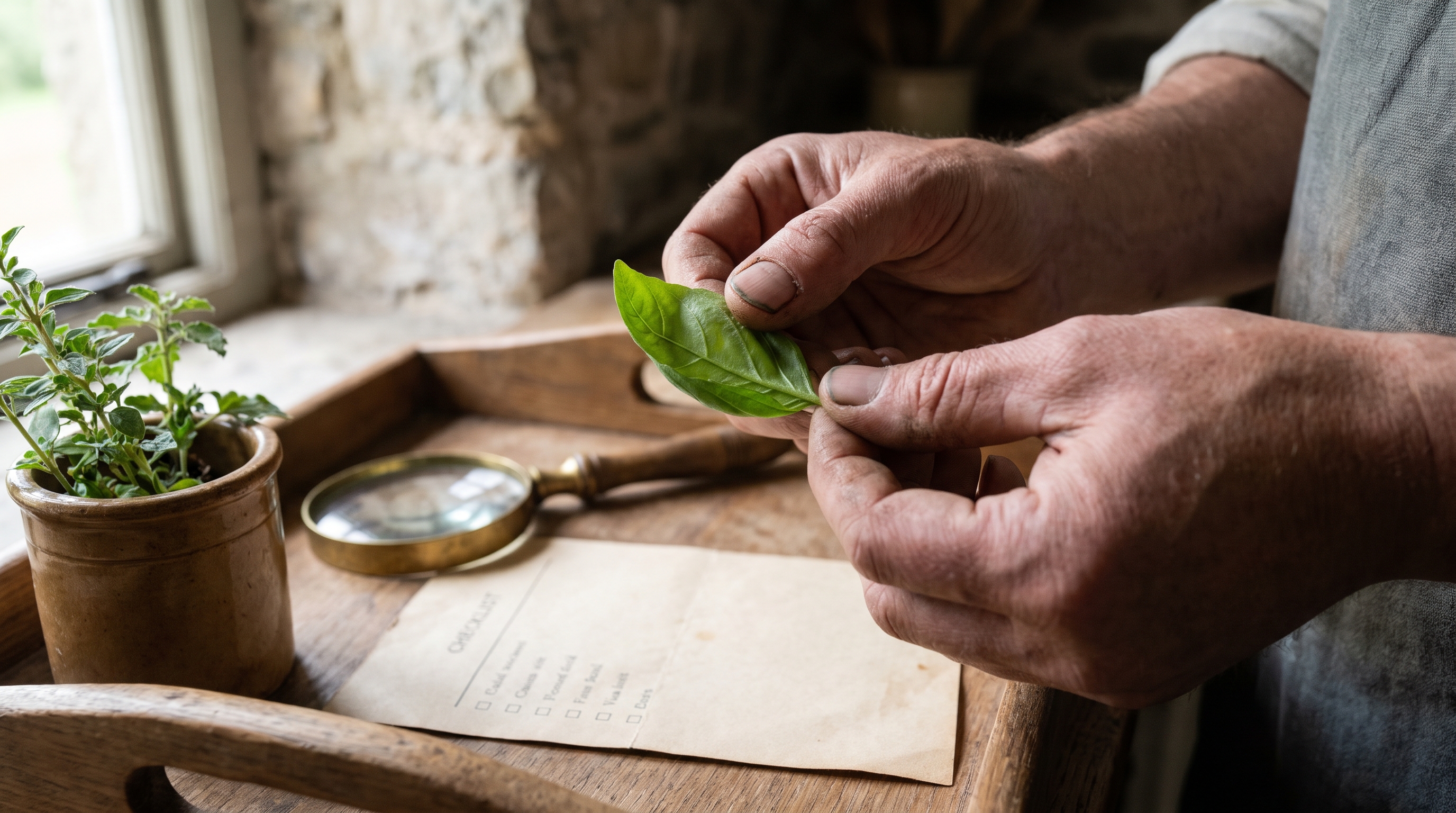
My Plant-at-the-Door Check
1. Name the newcomer
☐ Leaves, stems, soil and pot checked
2. Give it a separate place
☐ Suitable light and temperature available
3. Keep watching
☐ No pesticide used without checking the label for this edible plant
Keep the newcomer apart for three to four weeks and check it regularly. If you find a pest, get identification and edible-plant guidance from Extension before treating it.
Today’s win: one pot has been inspected, given a suitable separate spot, and put on a check schedule.
Would a book beside the plant be easier?
Your hands are busy. The phone keeps going dark. The spiral-bound 4 Foot Farm Field Guide gives you growing steps on paper, with a binding that lies flat while you work.
Keep the next step beside your growing spot, ready when you need it.
| See the Printed Field Guide → |
Stay steady,
Sam McCoy
4 Foot Farm Blueprint
P.S. Which plant are you bringing inside first? Hit reply and tell me. Forward this to someone trying to keep a favorite plant through winter.
P.P.S. Two useful next reads: